Are fountain pens eco-friendly? 7 surprising reasons they are!
General recycling and electric cars may get the headlines for sustainability, but here’s a new one for you: fountain pens. How many pens have we thrown away when they ran out of ink? Or because they were old, dried up, or otherwise stopped working? If we could stack our lifetime pile in front of us, how big would it be?
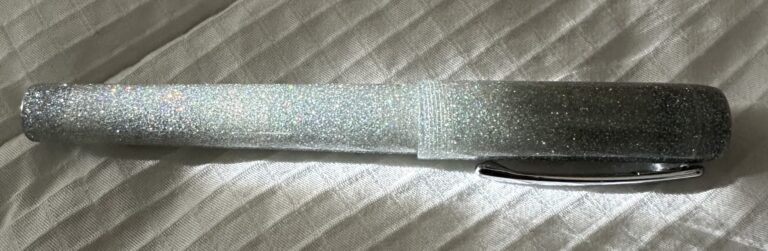
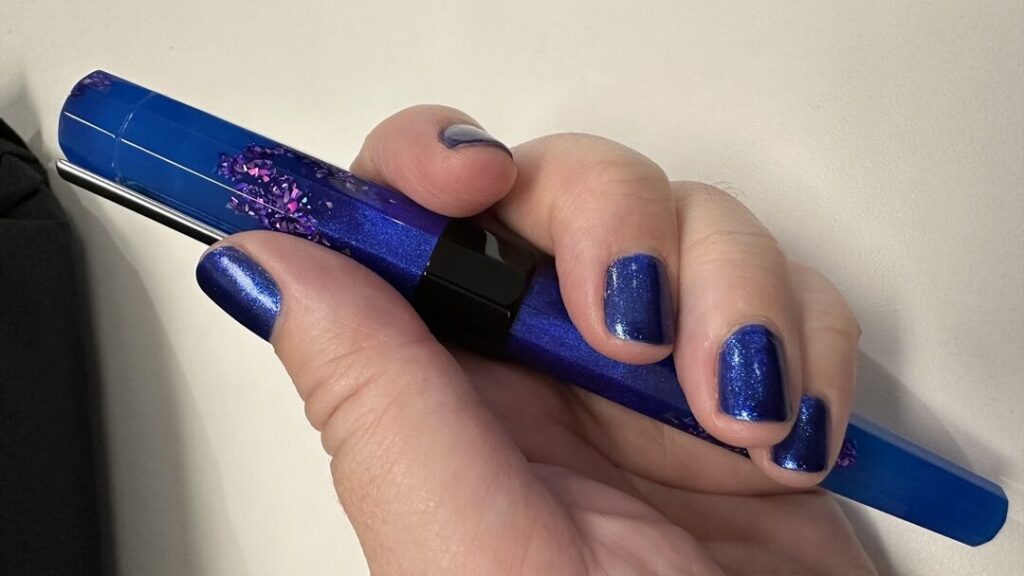
Fountain pens may cost a little more upfront, but it’s worth it. Good beginner sustainable fountain pens options are available for $10-$30. You can easily go that route first to get used to them … before dropping $100 or more on one later that’s just so you. (I hear that a lot: “That pen is So. You.”)
Case in point:
7 Ways fountain pens are sustainable, zero waste, and eco-friendly
1. Fountain pens are infinitely reusable.
Fountain pens can last a lifetime with proper care. This reduces waste compared to disposable – usually plastic – pens…but I’m getting ahead of myself.
2. You can find fountain pens made from sustainable materials.
Materials like metal, wood, or bamboo have a lower environmental impact than plastic.
3. They’re endlessly refillable.
Fountain pens are refillable, eliminating the waste of one-time-use disposable pens. Are you thinking, “So what? It’s just ink.” Noooo…
Let’s say you tend to buy pens with black ink. Yep, that same color black that everyone else has. Guess what? Ink doesn’t have to be boring. Have you seen Birmingham Pens’ “Locomotive”? Or Diamine’s “Blue black”? You don’t need to stick with one color – have a variety! Today it may be “Fire Hydrant”, and when that runs out you may feel like reloading it with “Iced Cookie”, and the next time with “Shin-ryoku”. Imagine having a handful of your favorite colors on hand to keep filling the same fountain pen, without the pen waste.
And I’m just gonna leave this here: you haven’t written with blue ink until your eyes behold Anderillium’s “Flying Squid Blue” flowing out of your pen onto the paper. *Swoon*
4. Water-based ink is environmentally friendly.
Ink made for fountain pens is often soy-based or water-based, which is more eco-friendly than petroleum-based inks.
5. Fountain pens are repairable.
Fountain pens have replaceable parts and can be repaired, extending their usable lifespan. (Note: You’ll have to be careful here if it’s a vintage model. Please consult a qualified nibmeister if you’ve inherited your grandmother’s fountain pen.)
6. Fountain pens have a smaller carbon footprint.
Compared to the manufacturing and discarding of disposable pens, fountain pens have a smaller carbon footprint. The long-lasting nature of fountain pens means fewer resources are needed to produce them compared to disposable pens.
7. They promote sustainability and waste reduction in general.
Fountain pens can be passed down through generations, promoting sustainability and reducing waste over time. Even when buying your own pen, they can come in minimal – or no – packaging, which further reduces waste. Fountain pens are a more eco-friendly alternative to disposable ballpoint and felt-tip pens, which can be difficult to recycle.
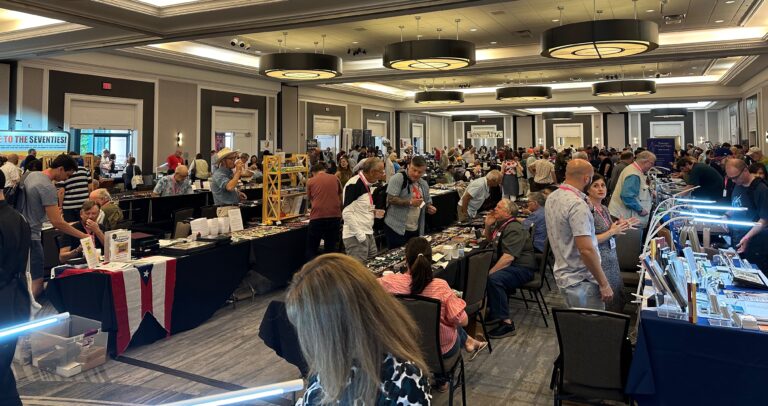
Pen shows: One way to get your first fountain pen
If you’re interested in checking out fountain pens, search online for “pen show near me.” There are many: Atlanta, San Francisco, Dallas, Orlando, the Triangle (Raleigh-Durham-Chapel Hill), the Washington, D.C. Supershow (the largest fountain pen show in the world), and Miami are just a few. See my 11 tips for attending your first pen show if you decide to go to one.